Monday, 23 June 2014

Majorca birds

These pictures were taken during the second week of my holiday. The first pictures are again from Port Andratx and the pictures starting with the waders were from Albufera on the North East of Majorca. I managed to get a lift there for a couple of hours which of course is never enough time but I was grateful for the opportunity.


Last week I posted two pictures of adult Spotted Flycatchers. This a newly fledged juvenile which I watched for a while from distance being fed by its parents. Unfortuntely when I moved closer to try and get a picture of them both the adult kept its distance, so I quickly took this picture and moved on. 


I also posted some pictures of Stonechats and commented on how black the males were and darker brown the females were than UK birds. This is a good example of a very black male.
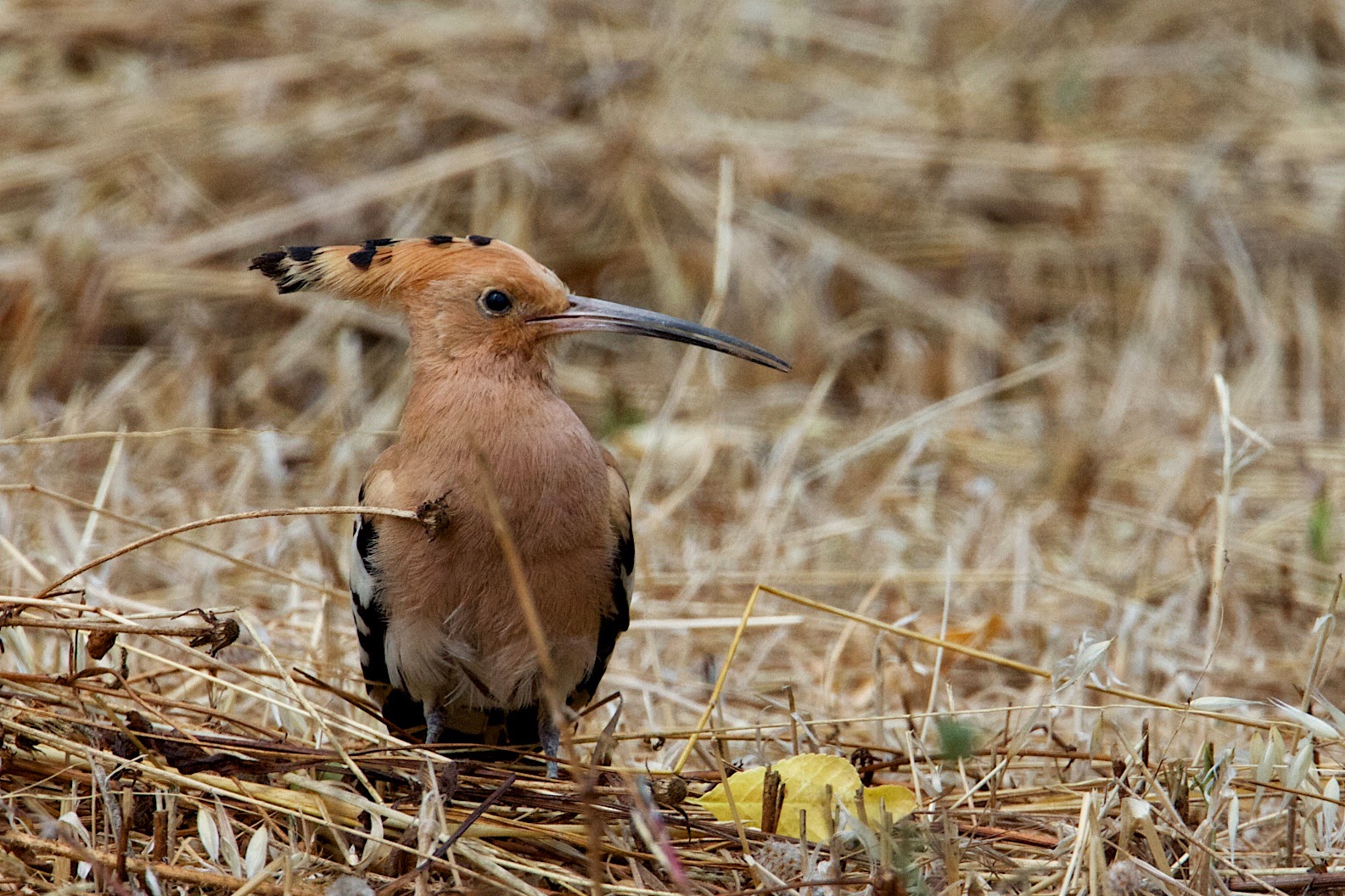

I have seen a Hoopoe nearly everyday and this was the only one I managed to get a picture of. 


Now over to Albufera and at the first of the two hides I went to were these Black Winged Stilts.


Black Winged Stilts are noisy but quite elegant looking wading birds. As their name suggests they have long legs and they like shallow fresh, brackish and salt water areas where they can probe for food. Having long legs they can also feed in deeper water.


Their distribution is wide, but numbers in some places are declining due to their wetland habitats where they live being lost and degraded by human activity.


There were quite a few youngsters about as well. Stilts are quite gregarious and tend to nest together in small groups. There nests are usually a depression in the ground


I am not sure of the reason but this Little Ringed Plover was dive bombing this and other Kentish Plovers. I can only assume there may have been Little Ringed Plover nests about but unlike the Common Terns I could not see any.


The Kentish Plover is fairly common in the northern hemisphere on coastal sandy beaches and inland saline wetlands.


This is a Common Tern chasing away a juvenile Cattle Egret which flew over its nesting site. This happened several times and eventually I was lucky enough to get this picture. Hope you like it.


There were a number of Tern nests which I could see from the hide. And every adult sitting on the nest was agitated by the larger birds flying around.


The nature reserve is an amazing place and you could quite easily spend a full week there looking for and photographing birds. It is 1646 ha and has been protected since 1988. There is a visitor centre, a permanent exhibition area and a lot of hides and observation platforms. Visiting the park is free and car parking is limited which is disappointing and the car park is situated on the main coastal road. The habitat is mostly wet grazing meadows, reed beds, channels, pools and scrapes.

Saturday, 14 June 2014

Port Andratx Majorca birds

I am currently on Holiday in Majorca. Today Saturday makes it nearly a week since Helen and I arrived. I know my blog is predominately to do with ringing, however, I thought I would share some of the birds I have seen since I have been here. Port Andratx in the South West of Majorca and could not be further away from the best birding area in the North East like the Albufera marsh and nature reserve in the area of Alcudia. It does say in the Birdwatching Guide to Majorca don't bother going to the South West for birds. There is also no wetland in Port Andratx so the species are greatly reduced, but not deterred I have managed to get a few birds, two of which were lifers for me. To beat the heat I have been out and about for a couple of hours most mornings from 06.30am (05.30am UK time).


The first evening sitting on the terrace of my friends house having a few beers this Spotted Flycatcher landed on the hand rail. Fortunately I had my camera set up and took this picture above.


I soon found out from walking around that the Spotted Flycatcher is quite a common bird, unlike in many parts of the UK where they are becoming scarce.


On the other side of the terrace I heard these birds chattering away in the pine tree. The were Sardinian Warblers, but they were very difficult to photograph because they only occasionally would come out onto the edge of the tree.


The pictures above are both females and there were no males around which surprised me.


Two days later I took this very Mediterranean picture of the Male Sardinian Warbler, standing on the leaves of this Cordyline type tree with Bougainvillea further in the background. There is so much Bougainvillea out in flower at the moment, it all looks amazing.


Then this one in an area of land that caught fire in the heat of summer last year.


Stonechat are also plentiful and the ones I have seen have all been busy feeding their young. I have been watching 4 pairs bring in all sorts of flies and grubs and listening to the young calling their parents for food. 


They just love to perch on the tallest reed stems and tallest branches of small trees. Their calling sounds travel much further when they are high up, increasing the chance of a juvenile reply.


I have noticed that the males look more black than UK birds as shown in the one above. I have not got my copy of Svennson with me at the moment to help me determine if the taxonomy of the Majorcan bird is the same as we see in the UK


The females are slightly darker as well


I took this very distant picture of a Woodchat Shrike (badius) on one of my early morning sessions. It is a juvenile. It is not as monochrome as the picture first seems, it does have hints of brown on its nape, back and wings which help with its identification. It is a lifer for me so I checked and double checked its I/D before posting. I have been back this morning to see if its parents were around, but they weren't.


The Cirl Bunting, a little like a Yellowhammer but slightly smaller is another new bird for me. In the UK a few are seen but reside mainly on the south coast. Its habitat is mainly South West Europe with a few in North Africa as well.


I have ringed Serin a couple of years ago in Portugal but never took pictures of them in their environment. I new they were about because I could here them but it wasn't until the end of this week that this little guy posed for me on a nearby tree.

Friday, 6 June 2014

Progress on my nest boxes

On a previous blog I showed you the boxes I was going to erect in my garden and in the woodland of my neighbours garden. At that stage I had 40 boxes but since then I have made extra. So altogether including the dipper box, I put up 48 with the help of a friend. See

http://birdringers.blogspot.co.uk/2014/02/national-nest-box-week-nnbw.html


Out of the 48 boxes 18 were made specifically for Marsh Tit, 10 had a 25mm hole and the other 8 had a 23mm hole. In the UK there are only 2 x RAS's at the moment for Marsh Tit. Because of the numbers of Marsh Tit coming to my garden I thought it may be a good idea to start a RAS myself. After talking it over with the BTO I was told I really needed to establish the number of birds that were residing in my area first. I therefore thought that nest boxes suitable for Marsh Tits may give me this important information. Ken Hindmarsh who does a Marsh Tit RAS and comes from Cumbria advised me that a preferred hole size for Marsh Tits was 23mm, the reason being they stop Blue Tits from using the boxes. He was right three boxes with a 25mm hole were occupied by Blue Tits but unfortunately I have not got one Marsh Tit in the remainder.
This is a disappointment and noticeable the Marsh Tits seemed to disappear altogether for about 5 weeks. Why, I do not know, however this last week they are coming again to my feeders, so where have they been? If anyone has got thoughts about this I would love to hear from you.

I have been checking the boxes once a week since 17th April and recording all the information from these checks. The first box to have Pulli old enough to be ringed were the Dippers. No-one was more surprised than me to have Dippers in a box that was only erected on the 14th February.


In the box were 4 Pulli which were ringed at Feather Small on 29th April. The last bird fledged on the 9th May.


One of the hazards of nest box work is the occupation of the Common Wasp (vespula vulgaris) that builds its whitish paper like nest in the roof of nest boxes. It is made from chewed wood fibres mixed with saliva. It often uses abandoned mammal holes, hollows in trees, wall cavities or rock crevices for its nest sites as well.


Many Blue Tits and Great Tits have occupied my boxes. Other than differences in size of the eggs which is minimal they are still difficult to tell apart. The clue obviously is when the adult is on the nest.


These Pulli are Blue Tits which will be ready for ringing in about a week to 10 days


The Great Tit Pulli above were Feather Medium verging on Long so I was able to ring these.
The three pictures above were all taken on the same day and shows the different stages they can be at at any one time.

Blue Tit on the nest and the Pulli are just visible on the left hand side.


Nuthatch often seal the top of the lid to the nest box base with mud. A little care when opening the lid will prevent damage to the mud and should reseal again ok.


Not the same box that the Pulli were ringed from. It shows the type of nesting material used, leaves and bits of bark.


This box of Nuthatch Pulli were Feather Small and there were 6 in the box


A scary hair do on this young Nuthatch!


A summary of my boxes.

48 boxes
19 reached the egg stage,
29 were not occupied.

2 boxes failed
1 Blue Tit and 1 Great Tit.

17 boxes were successful
1 Dipper
7 Great Tit
8 Blue Tit
1 Nuthatch

I obviously need to do some work on the Marsh Tit project ready for next year. Out of the 29 boxes that were unoccupied 16 of these were boxes specifically for Marsh Tits and the other 2 were occupied by Blue Tits


Friday, 23 May 2014

Ffynnon Gro ringing

During my ringing session this week I caught and ringed numerous young birds of different species.
There is some sort of satisfaction in the knowledge that many species like the Siskin in particular are breeding in my area.


The first juvenile, this robin was still in its full juvenile plumage and no feathers could be found in Pin. There is unfortunately a high mortality rate for youngsters in the first year . However those that survive can live quite a long time and the oldest recorded lifespan of a Robin is 8yrs 4 months and 30 days.


This juvenile siskin has the orange coloured Greater Coverts which are one of the indicators of its age. It is good to know that the long term trend of the Siskin is on the increase, probably due to the maturing of new conifer plantations and the increase trends in the use of garden feeders has helped.


Juvenile Blackbird, probably a male because of its black Retrices which unfortunately are cropped from this picture.


This my first Bullfinch to be caught and ringed in my garden. In fact it is only the second Bullfinch I have seen here in the last two years, the other being a female. This male was a bird from last year with two retained Outer Greater Coverts and had a CP, so another species hopefully breeding locally.


This female is the third Blackcap I have caught in the last two years the others being ringed last year. She had a BP3 and hopefully had/has a successful brood to fledging.
From the BTO Breeding Bird Survey (BBS) scheme in Wales it indicates that from 1994 to 2012 the trend is on the increase especially since about 2009 and its conservation status is green and is therefore of least conservation concern.


Around February this year I erected a lot of bird boxes and have had a reasonable success rate from Tits and Nuthatch. I was really hoping for some Pied Flycatchers which I have seen around, but none occupied any of my boxes. It would be fair to say though the Great Tit above out numbered the Blue Tits on box occupation. This one of course I caught in the net.

Sunday, 20 April 2014

Ringing in my garden at Ffynnon Gro

It has been a fantastic year so far ringing in my garden. The total for the year at the moment is 355 birds and the breakdown by species being:-

Dunnock - 1, Robin - 1, Blackbird - 2, Songthrush - 1, Chiffchaff -2 ,
Marsh Tit - 2, Coal Tit - 1, Blue Tit - 61, Great Tit - 11, Nuthatch - 2,
House Sparrow - 8, Chaffinch - 16, Goldfinch - 77, Siskin - 156,
Lesser Redpoll - 9.

Yesterday I had another  session ringing without one Blue or Great Tit. I have feeders in various places in the garden which contain nijer seed, sunflower hearts and peanuts and attract most species in my area. When I have a ringing session planned I only have the nijer seed feeders hanging which will attract Siskin, Goldfinch and Lesser Redpoll. I completely remove the sunflower hearts and put them in the shed, I take down all the peanuts and put them in another part of the garden. The tits very quickly find the peanuts and carry on feeding which keep them away from where my nets and nijer seed feeders are.
It is more than a coincidence having tried this method for several weeks and every time the number of tits in the nets is minimal.

In the quieter parts of the morning I got my camera out and took some pictures of other birds around the area.


Male Siskin, plenty of these around the garden. New birds arrive every day without rings. From what I can gather flocks of siskin are very good this year for most ringers.


This Jackdaw has a nest in the chimney pot of my neighbours house across the road. I think the eggs must have hatched because they were bringing food in on a fairly regular basis.


Same Jackdaw just leaving the pot, returning about 20 minutes later.


The Goldfinch is very similar to the siskin in as much there are plenty around the garden. Again like Siskins they are very vocal when around the feeders.


I am lucky to see Red Kites nearly every day flying around the house. This Red Kite is being attacked by a Raven. This is not uncommon and if it is not Ravens then the Crows have a go. I also have Jays where I live but I have never seen any Rooks.


The sun was very bright and much of the underwing of this Red Kite was in partial shadow. Nevertheless the feather detail can be seen.


There seems to be some movement of Chaffinch at the moment since numbers have started to increase. The males in particular looking splendid unlike the female below.


Female Chaffinch


This is my second Chiffchaff since migration started, there is however still plenty calling in my area so I hope to catch a few more soon.


Lesser Redpoll number 9, a male. The numbers are not great but last year I did not have any at all. My ringing friends from the Teifi Marshes are having quite a lot. the Teifi Marshes is about 30 miles from me and I suspect that the Marsh is possibly more favourable to them than my garden.

As far as bird nests are concerned I have only found one Blackbird nest and a House Sparrow occupying an empty House Martin nest from last year. I am sure there must be more around but I am not trained on how to find them. I hope to have some training very soon which I will be looking forward to. As far as nest boxes are concerned I erected 47 (I think) about 6 weeks ago. From next week I will be monitoring these on a weekly basis. I do know that some of the boxes actually in my garden have gained interest from Tits. I am hoping to get some Pied Flycatchers in the boxes with 32mm holes and the boxes with 23mm holes are there hopefully to attract Marsh Tits. I await and see.

Saturday, 19 April 2014

Oxwich Marsh

It was an early start yesterday morning. The sun was up just gone 6.00am as the nets were being erected. So  a bright cloudless day was on the cards which is not always favourable because the nets are more  visible to the birds in the bright sunlight. With the dry weather we have had recently it was really nice not having to walk around on swampy footpaths.
There were a few migrants about and Grasshopper warblers could be heard over the marsh but not seen. It sounded if there were plenty of finches about as well. The air was alive with bird song.


On the very first round this Kingfisher fell to the net. It was a female because of the red lower mandible and its bright red feet makes it an adult bird. Also the primaries and secondaries were that of an adult in a nice unworn condition.


The weirdest thing I find about Kingfishers is when held in the hand they will often turn their head in an almost 360degree circle and then back again. The first time this happened to me was as a trainee, I really thought I had in some way injured the bird.


Greenfinch showed well today, mostly males, both adult and juvenile birds. They had been feeding on the black sunflower seed.

It is believed that a lot of British Greenfinches tend to spend their whole lives near to their birthplace. There is some movement however and it is believed that some Greenfinches do arrive in the UK from the Scandinavian counties.


The first passage of the migrants probably from South West Europe or North Africa was this male Blackcap aged 5. Breeding populations of Blackcaps seem to be more abundant in the south of England and Wales, however they are still widespread throughout the UK..


It is interesting to note that more and more Blackcaps seem to be overwintering in the UK.


This female Blackcap was caught in the same net as the male Blackcap on the next net round.


My first Sedge Warbler this year was a nice surprise. The second migrant species arriving from its winter quarters, probably from North Africa and areas to the west of the Sahara. The reed beds of Oxwich Marsh being a perfect breeding ground.


Male Reed Bunting are looking very good as they finally get into their breeding plumage. Ageing is not easy. Many first year birds moult all their Greater Coverts making moult limit difficult to see. The tail feather shape can be a help to establish the birds age, however, some first year birds do moult all their tail feathers which makes it even more difficult. If in doubt 4 it.